Your First Month With a Poodle Puppy: A Homecoming Guide
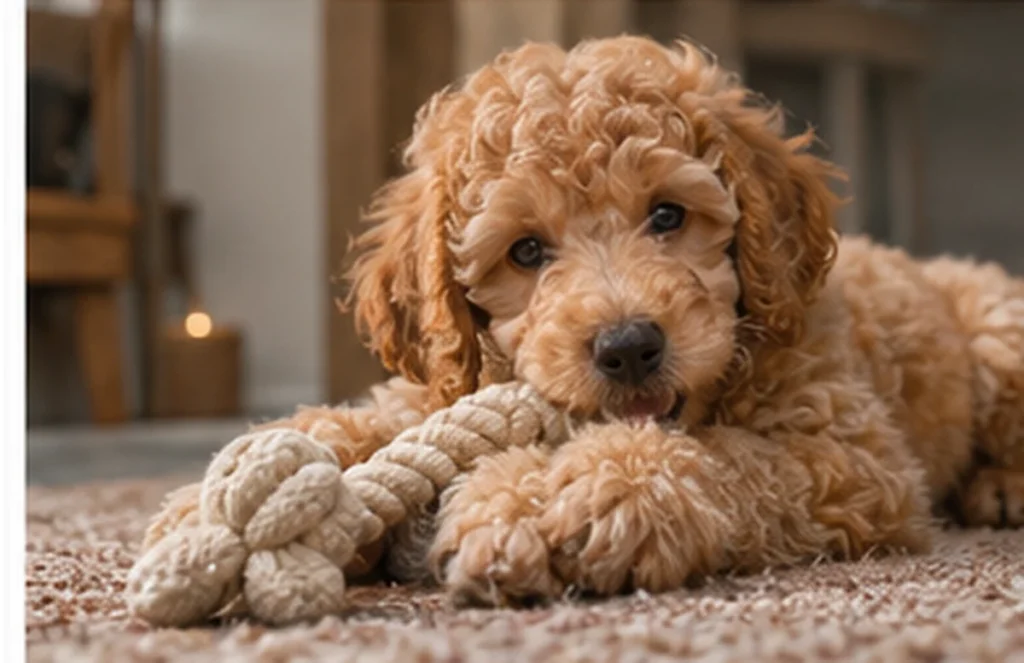
Your first month with a poodle puppy begins before the journey home. A little planning gives you room to focus on the individual puppy instead of trying to organize equipment, household rules and appointments all at once. Treat this guide as a practical planning aid, then adapt it with your breeder, veterinarian and qualified trainer.
Before arrival: agree on the basics
Have a household conversation about who will handle daily care. Write down responsibilities for feeding, supervised activity, cleaning and appointments. Agree on sleeping arrangements and access to rooms so the puppy does not receive a different set of rules from every person.
Prepare a quiet resting area and check the spaces the puppy can reach. Secure loose cords and store household products out of reach. Choose equipment for the individual puppy and ask what food and routine are already familiar. The American Animal Hospital Association’s new-dog checklist is a useful companion resource for organizing your home and support team.
Keep a folder for the records supplied with the puppy, your written agreement and questions for the first veterinary visit. Confirm the go-home date and travel arrangements rather than treating an available listing as permission to collect immediately. Our process page explains the steps that come first.
Keep the first days manageable
Resist the temptation to make arrival day a large social event. Set aside time to observe the puppy and learn how they respond to the new environment. Introduce the household calmly and supervise interactions. Let the plan change if the puppy needs a quieter pace.
Place essential supplies where the person providing care can find them. A simple shared note with the existing feeding guidance, important contacts and the day’s observations helps everyone give consistent care. Record questions instead of making several new changes at once.
The AKC’s first-day guidance discusses a calm introduction and establishing routines. Ask your veterinarian which activities and environments are appropriate for your puppy’s individual circumstances.
Build a routine you can sustain
Think in terms of a repeating rhythm rather than a rigid timetable copied from another puppy. Make space for rest, care, brief learning opportunities and supervised activity. Keep track of what seems comfortable, what is difficult and when you need professional guidance.
Plan gentle introductions to grooming equipment and handling with advice from your groomer. Our poodle grooming guide focuses on preparation and questions, not replacing hands-on instruction. Decide who will keep appointments and who will help maintain the routine between visits.
Discuss socialization with your veterinarian and a qualified trainer. The American Veterinary Society of Animal Behavior’s position statements explain the importance of safe, positive early experiences. An individual plan should consider health, vaccination status, the local environment and the puppy’s responses; a generic online calendar cannot do that assessment.
At the end of the month, review what you have learned
Look back at your notes. Which household arrangements are working? Is everyone following the same approach? Are there questions about the puppy’s comfort, routine or care that still need an answer? Bring those observations to the appropriate professional rather than guessing.
The first month is not a deadline for a perfect dog. It is an opportunity to learn the individual and establish a workable foundation. Keep the routine understandable for the people involved, and be willing to adjust the plan.
Still preparing to choose a puppy?
Explore the available poodle profiles and our questions to ask before reserving. If you are considering a Pearl & Pudel puppy, send an inquiry with your household details and preparation questions.